

Power of Attorney for Care at Home
Understand power of attorney, the choices involved and how it can support clear, dignified decisions about care at home when circumstances arise.
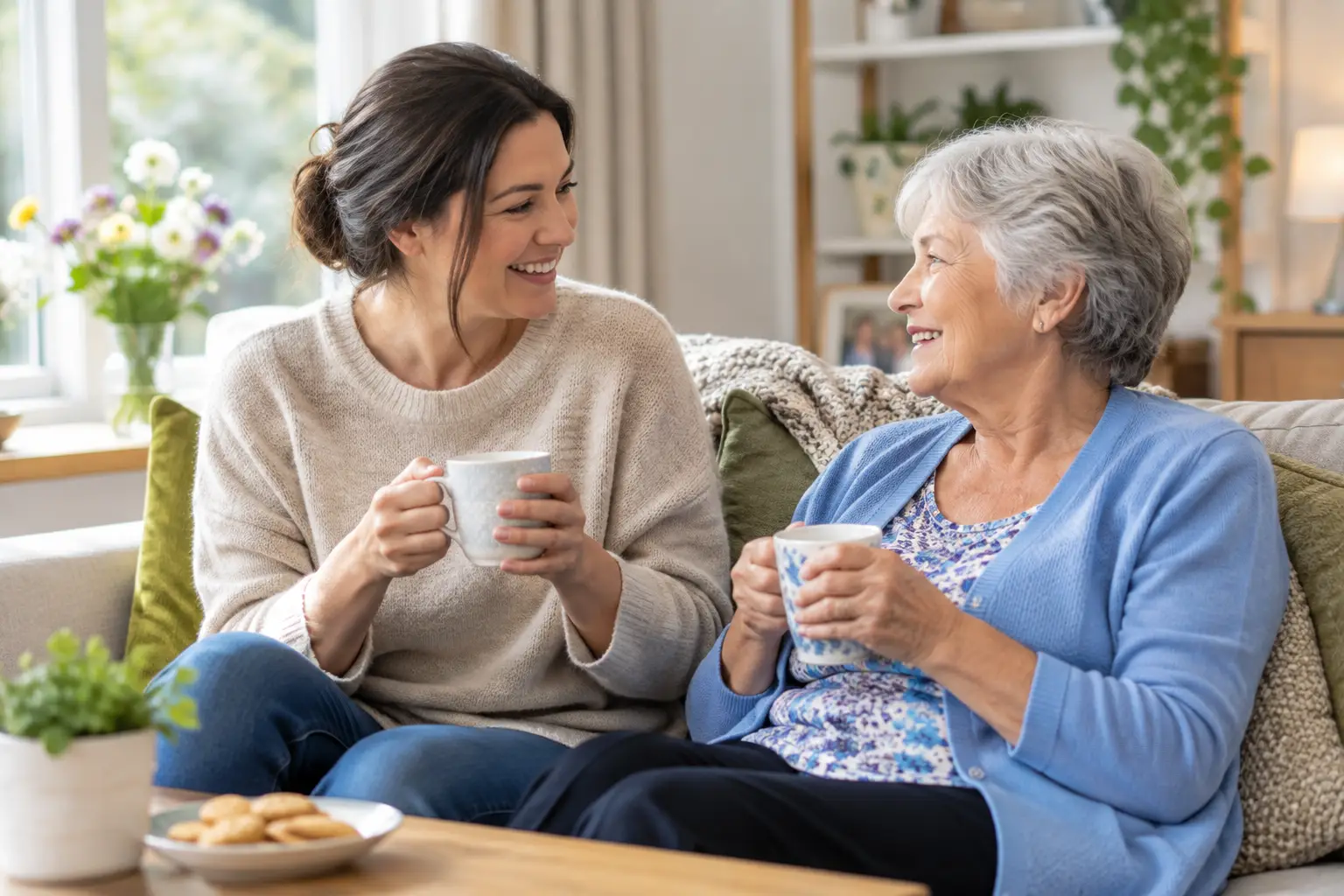
When a family is arranging support at home, a power of attorney can remove uncertainty at moments when clear communication matters most. It does not take a person’s independence away. Properly understood, it is a way of recording who they trust to help make or communicate certain decisions if they are unable to do so themselves.
For many families, the subject first comes up after a change in health, a hospital stay or a growing need for help with daily routines. That can make it feel urgent and emotionally charged. Yet the most useful conversations usually happen earlier, when the person has time, privacy and control over their wishes.
This article provides general information for people in England and Wales. It is not legal advice. If you are considering making, using or challenging a power of attorney, speak with a solicitor or an appropriate specialist service for advice based on your circumstances.
What is a power of attorney?
A power of attorney is a legal arrangement that allows one or more trusted people, known as attorneys, to make decisions for someone else in particular circumstances. The person making it is called the donor.
For longer-term planning, many people consider a Lasting Power of Attorney, often called an LPA. It must be made while the donor has the mental capacity to understand what they are choosing and what the document means. This is one reason not to leave the conversation until a crisis.
Having an LPA does not automatically mean another person takes over. A person who can make their own decisions should continue to do so. Capacity can also vary depending on the decision and the time it needs to be made. Someone may be perfectly able to decide what they would like for lunch or which care visits suit their routine, while needing support with a more complex decision.
The two types of Lasting Power of Attorney
There are two separate LPAs, and people can make one or both. Their purposes are different.
Property and financial affairs
A Property and Financial Affairs LPA covers decisions about money and property. Depending on the authority given, this could include managing bills, dealing with a bank, handling benefits, or making decisions relating to a home.
This type of LPA may be used with the donor’s permission while they still have capacity, if it has been registered. That can be useful where someone wants practical help with administration but still wishes to remain closely involved.
It does not give an attorney permission to use someone’s money as their own. Attorneys have legal duties and must act in the donor’s best interests. Clear records, openness with other family members where appropriate, and careful separation of finances can help protect everyone involved.
Health and welfare
A Health and Welfare LPA covers personal decisions about care and wellbeing, but it can only be used if the donor lacks capacity to make the relevant decision themselves.
It may cover matters such as where a person lives, day-to-day care, support with routines, and decisions about medical treatment. The document can include preferences and instructions, which gives the donor an opportunity to set out what matters to them in advance.
For families arranging care at home, this is often the LPA they have in mind. However, its role is not to override a person’s voice. Good care should always begin with the individual: their choices, routines, relationships, culture, privacy and sense of home.
Choosing an attorney with care
Being an attorney is a serious responsibility, not simply a sign of closeness. The right person is usually someone who can listen, stay calm under pressure, respect boundaries and make decisions with the donor’s wishes at the centre.
A donor may appoint more than one attorney. They can choose whether those attorneys must make decisions together, or whether they may act independently. Each option has trade-offs. Joint decisions can provide reassurance and shared oversight, but they can be less practical if signatures or agreement are needed quickly. Allowing attorneys to act independently can be more flexible, but it calls for strong trust and communication.
It is worth thinking beyond the obvious choice. An adult child may be loving and committed but live far away, have limited time, or feel unable to manage financial administration. A spouse may understand daily preferences well but need support themselves. There is no single right answer, only the arrangement that best reflects the person’s circumstances and wishes.
Talking openly before documents are completed can prevent later misunderstandings. It may help to discuss what the person would want from care at home, who should be kept informed, how personal information should be shared, and which routines are especially important to protect.
How an LPA relates to care at home
A care provider needs to know who can speak on a client’s behalf where this is relevant, but an LPA does not replace respectful conversations with the person receiving care. Where someone can communicate their wishes, those wishes should guide everyday support.
Practical information can make the start of care feel more settled. Families may wish to explain who holds an LPA, provide the relevant documentation when requested, and clarify the preferred contacts for updates. This can help create a clear communication pathway while respecting confidentiality.
At Luxuricare, a free assessment and introductory care call are opportunities to understand the person behind the care plan: what a good morning looks like, how they like their home to feel, what support they welcome and what they prefer to do independently. A relative or attorney may contribute useful information, but the client’s dignity and involvement remain central wherever possible.
An attorney may also need to make decisions that affect practical arrangements, such as agreeing to a care package or managing payment. The scope of their authority depends on the type of LPA and the circumstances. Care providers cannot assume that a relative has legal authority simply because they are next of kin.
Do not confuse an LPA with other arrangements
A will takes effect after death, whereas a lasting power of attorney applies during a person’s lifetime. Being named as next of kin can be helpful for communication, but it does not automatically give legal decision-making powers. Likewise, a person may have informal support from family without having appointed an attorney.
Advance statements and advance decisions can also be relevant to future care and treatment choices, but they are different documents with different legal effects. These areas can overlap in complex ways, particularly where health decisions are involved. A solicitor or qualified adviser can explain how documents work together without making assumptions about an individual situation.
When a power of attorney has not been made
Families are sometimes surprised to learn that they cannot simply arrange every decision for an adult relative if that person loses capacity without an LPA in place. The alternatives can be more formal and may take time. That is why forward planning is often kinder than leaving loved ones to navigate uncertainty later.
If there is an immediate concern about someone’s health or welfare, seek the appropriate professional support. A GP, district nursing team, local authority or NHS 111 may be able to advise on the right next step, depending on the situation. For legal authority and document options, obtain independent legal advice.
A conversation worth having early
Discussing a power of attorney can feel uncomfortable because it asks families to consider future change. But it can also be an expression of trust. It gives someone the chance to say, in their own words, who they want beside them and what a dignified, familiar life at home should continue to look like.
The best time to begin is not when every answer is needed. It is when there is still space to listen carefully, make considered choices and keep the person’s own wishes at the heart of the plan.
Talk it through with someone local
A free care assessment is a conversation in your own home, not a sales visit. No charge, and no obligation to arrange anything.
More advice
A Guide to Preventing Household Falls at Home
Our guide to preventing household falls shares practical, dignified steps for safer daily life at home, covering lighting, footwear, layout and support.
Mobility Support for Older Adults at Home
Thoughtful mobility support for older adults can protect confidence, safety and choice at home. Learn how individual care can make day-to-day life easier.
Dementia Care at Home That Respects Life
Understand dementia care at home: practical ways to support safety, routine and dignity, plus when personalised home care may help your family locally.